The Lung Cancer Channel is supported with funding from Johnson & Johnson (Gold).
VJOncology is an independent medical education platform. Supporters, including channel supporters, have no influence over the production of content. The levels of sponsorship listed are reflective of the amount of funding given to support the channel.
WCLC 2025 | Rolling out ctDNA ‘blood-first’ testing for lung cancer in England
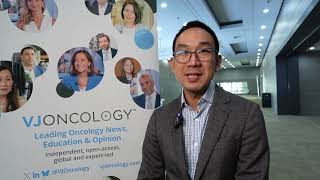
Sanjay Popat, MBBS, FRCP, PhD, Royal Marsden Hospital, London, UK, gives an overview of England’s national funding of circulating tumor (ctDNA) testing for lung cancer, highlighting its benefits in monitoring disease progression and informing treatment decisions. Whilst the test is only currently available to patients presenting with metastatic disease, the rollout has been successful, with efforts underway to optimize the pathway for all eligible patients. This interview took place at 2025 World Conference on Lung Cancer (WCLC) in Barcelona, Spain.
These works are owned by Magdalen Medical Publishing (MMP) and are protected by copyright laws and treaties around the world. All rights are reserved.
Transcript
Well, we are very lucky here in England because we are, as far as I know, the only European country to have core-funded ctDNA through a healthcare system. And that is not at the time of diagnosis, but at the time of presentation with metastatic disease. And this is now fully nationally funded by NHS England. And so at the time of presentation, either in the outpatient setting or if hospitalised as an emergency, if a patient has a CT scan which demonstrates advanced lung cancer suspected on the CT scan, such as stage three or stage four, the patient is eligible to have a blood draw for ctDNA...
Well, we are very lucky here in England because we are, as far as I know, the only European country to have core-funded ctDNA through a healthcare system. And that is not at the time of diagnosis, but at the time of presentation with metastatic disease. And this is now fully nationally funded by NHS England. And so at the time of presentation, either in the outpatient setting or if hospitalised as an emergency, if a patient has a CT scan which demonstrates advanced lung cancer suspected on the CT scan, such as stage three or stage four, the patient is eligible to have a blood draw for ctDNA. The current providers are a FoundationOne liquid test or a Marsden 360 test, which is very similar to the Guardant 360 ctDNA NGS test. The test is funded to occur in patients who present at the time of presentation. And if a patient has missed that opportunity and undergone tissue diagnosis, and that’s failed. It’s also an opportunity for testing in that scenario. The rollout has been very good, and we’re now trying to optimize the pathway to ensure that all eligible patients are tested. It’s been done very well in collaboration with our respiratory pulmonology colleagues, and in many centers this wouldn’t have happened without the direct support of our lung cancer nurse specialists who really are our patient advocates and have really got together to get this program off the ground and to deliver it and you know we see meaningful benefits every day patients’ cases are allowed and recommended to be discussed in a regional molecular tumor board or a genomic tumor advisory board because we recognize that many oncologists don’t have the genomic expertise to appropriately interpret these results which can sometimes be straightforward and sometimes complex. In addition we’ve also issued guidance which is available on the BTOG website as to how to interpret the results, when you can action the results to prescribe a targeted therapy if you have a tier one actionable genotype and what defines an informative negative result when you have confidence that you don’t have a tier one drugable genotype and that patient is suitable for immunotherapy with or without chemotherapy. So there’s a lot happening in this space. It’s fantastic. I see that it’s really transforming outcomes for our patients and I’m delighted to have this available for our patients.
This transcript is AI-generated. While we strive for accuracy, please verify this copy with the video.
Read more...