The Gastrointestinal Cancer Channel is supported with funding from Revolution Medicines (Silver).
The Lung Cancer Channel is supported with funding from Johnson & Johnson (Gold).
VJOncology is an independent medical education platform. Supporters, including channel supporters, have no influence over the production of content. The levels of sponsorship listed are reflective of the amount of funding given to support the channel.
ASCO 2024 | Challenges in the clinical implementation of the CAR T-cell therapy A2B694
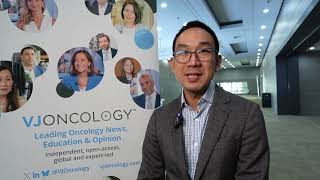
Salman Punekar, MD, NYU Langone, New York, NY, highlights the drawbacks of CAR T-cell therapies, in particular A2B694, currently in Phase I/II trials (NCT06051695) for treatment of ovarian, lung, and gastrointestinal cancers. These include efficacy, ensuring that the CAR-T cell therapy successfully targets mesothelin, and addressing potential toxicity due to the normal expression of mesothelin in the epithelial cells of healthy tissues. This interview took place during the 2024 American Society of Clinical Oncology (ASCO) Meeting in Chicago, IL.
These works are owned by Magdalen Medical Publishing (MMP) and are protected by copyright laws and treaties around the world. All rights are reserved.


Disclosures
Research Funding – Astellas Pharma (Inst); Constellation Pharmaceuticals (Inst); NCI (Inst); Prelude Therapeutics (Inst); Revolution Medicines (Inst); Simcere (Inst); Tango Therapeutics (Inst); VITRAC Therapeutics (Inst)