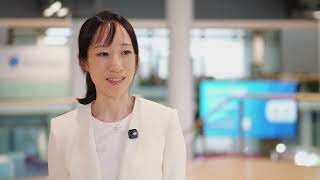
Home hospital, just to clarify one thing about that is, so it’s actually inpatient care. So patients need to meet inpatient level of service, just like they would to be in a physical hospital, but they’re in their home. And that’s really important for a couple of reasons. One is we know that there’s enormous, what we call time toxicity. So kind of another dimension of the negative aspects of patient care...
Home hospital, just to clarify one thing about that is, so it’s actually inpatient care. So patients need to meet inpatient level of service, just like they would to be in a physical hospital, but they’re in their home. And that’s really important for a couple of reasons. One is we know that there’s enormous, what we call time toxicity. So kind of another dimension of the negative aspects of patient care. Patients spend 20% of all days of their life, patients with cancer spend 20% of all days of their lives going to a healthcare facility. And this allows them to spend less time in the physical hospital and more time at home. It also, we know that from prior work that we’ve done in non-oncology patients, when they’re in home hospital and they’re at home, they’re more active. They’re eating the foods they normally do. So they’re living a sort of more normal life, which actually can be healing for them. So when we think about how this fits in the sort of ambulatory architecture, so the outpatient architecture, it’s one more tool that we have to keep patients out of the physical hospitals to manage the capacity and keep patients where they want to be. The idea hopefully down the line is now we’re really focusing on getting patients home sooner. And now as we’ve built out this toolkit where we can do IV fluids in the home easily, we can do IV antibiotics, we can do daily medication titrations, we can do more complex pain management and manage things like G-tubes and ports for our patients with cancer. We’re hoping that this is going to be something that allows us to also intervene earlier when patients are starting to get sick so that we can keep them at home and hopefully in the future avoid hospitalizations.
This transcript is AI-generated. While we strive for accuracy, please verify this copy with the video.