ASCO 2025 | Important considerations in developing CAR-T cell therapy for GBM
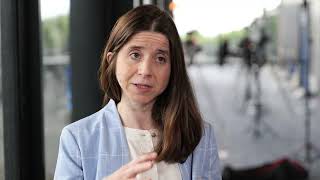
Reena Thomas, MD, PhD, Stanford University, Stanford, CA, comments on the importance of managing on-target tumor-associated inflammatory neurologic impacts in patients with glioblastoma (GBM). The therapeutic potential of CAR T cell therapy needs to be balanced with the risk of neurologic sequelae, and it is important to understand the methodology of dosing parameters and patient care to mitigate these impacts. This interview took place during the 2025 American Society of Clinical Oncology (ASCO) Meeting in Chicago, IL.
These works are owned by Magdalen Medical Publishing (MMP) and are protected by copyright laws and treaties around the world. All rights are reserved.
Transcript
Yeah, I think I would say two. The first is understanding how to manage on-target tumor-associated inflammatory neurologic impacts for patients with glioblastoma. So that experiential, you know, knowledge, I certainly believe was really key and important to the overall clinical benefit that we were able to see. Because essentially, when it comes to cell therapy, CAR therapy to GBM, you know, we want that anticipated immune response to occur...
Yeah, I think I would say two. The first is understanding how to manage on-target tumor-associated inflammatory neurologic impacts for patients with glioblastoma. So that experiential, you know, knowledge, I certainly believe was really key and important to the overall clinical benefit that we were able to see. Because essentially, when it comes to cell therapy, CAR therapy to GBM, you know, we want that anticipated immune response to occur. We want the on-target efficacy and engagement to happen. And when it comes to the brain, that on-target tumor-associated inflammation can cause neurologic sequelae. So we have to learn how to manage through that neurologic impact in order to maintain ongoing therapeutic potential. So I would say that one is really key. And that comes back to, again, the methodology of how frequently to give the B7H3 CAR T cell therapy, how you want to allow for that on-target immune inflammatory impact while not giving too much time for the tumor cells to replicate and take over, right? So it’s finding that balance of the scheduled, you know, dosing parameters while also managing through the inflammatory impacts in patient care.
This transcript is AI-generated. While we strive for accuracy, please verify this copy with the video.
Read more...